
Do I Need to Remap My Motorcycle After Upgrading My Exhaust?
Author: Grae Olsen Date Posted: 30 June 2026
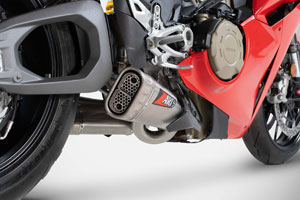 One of the most common questions we receive at Hurtle Gear is:
"Do I need to remap my bike after installing a new exhaust?"
The short answer is: it depends on the type of exhaust you're installing and the modifications you've made to your motorcycle.
Let's take a closer look.
Slip-On Exhausts – Usually No Remap Required
For most riders, a slip-on exhaust is the easiest and most popular upgrade.
A slip-on replaces only the muffler or silencer section of the exhaust while retaining the original headers and catalytic converter. Because the change in exhaust flow is relatively small, modern fuel-injected motorcycles can usually compensate automatically.
Most manufacturers design their road-legal (homologated) slip-on systems to work with the motorcycle's standard ECU settings.
In most cases, installing a slip-on exhaust does not require an ECU remap.
Benefits of a slip-on exhaust include:
-
Improved exhaust note
-
Reduced weight
-
Enhanced appearance
-
Minor performance improvements
-
Simple installation
Full Exhaust Systems – A Remap Is Often Recommended
A full exhaust system replaces the entire exhaust, including headers and, in some cases, the catalytic converter.
Because a full system can significantly alter exhaust flow, the motorcycle's standard fuel map may no longer be optimised.
While many modern motorcycles will still run perfectly well with a full exhaust installed, an ECU remap or tune is often recommended to achieve the best results.
A remap can help provide:
-
Improved throttle response
-
Optimised air/fuel ratios
-
Maximum performance gains
-
Smoother power delivery
-
Reduced likelihood of the engine running lean
When Is A Remap Strongly Recommended?
We generally recommend considering an ECU tune or remap if:
-
You're installing a full race exhaust system
-
The exhaust removes the catalytic converter (de-cat)
-
You're also fitting a high-flow air filter or intake modifications
-
You're chasing maximum horsepower and torque gains
-
The exhaust manufacturer specifically recommends it
What About Modern Motorcycles?
Many modern motorcycles feature sophisticated engine management systems with oxygen sensors and adaptive fueling strategies.
These systems can often compensate for minor changes in exhaust flow, particularly when fitting slip-on exhausts.
However, there are limits to how much adjustment the ECU can make. Significant changes to airflow may still benefit from professional tuning.
Will My Bike Be Damaged Without A Remap?
In most cases, fitting a quality aftermarket slip-on exhaust from a reputable manufacturer such as Akrapovič, Arrow, GPR, HP Corse, IXIL, Termignoni or Zard will not immediately damage your motorcycle.
However, if you're installing a full performance exhaust system, particularly one designed for racing use, it's worth discussing tuning options with a qualified workshop.
Our General Rule Of Thumb
As a simple guide:
| Exhaust Upgrade | Remap Required? |
|---|---|
| Homologated Slip-On | Usually No |
| Race Slip-On | Usually Not Required, But May Help |
| Full Exhaust With Catalytic Converter | Sometimes Recommended |
| Full Race/De-Cat System | Usually Recommended |
| Exhaust + Intake Modifications | Strongly Recommended |
Final Thoughts
Upgrading your motorcycle's exhaust is one of the most rewarding modifications you can make. Whether you're looking for improved sound, reduced weight or enhanced performance, there's an exhaust option to suit almost every rider.
If you're unsure whether a particular exhaust will require a remap on your bike, feel free to contact the team at Hurtle Gear. We're always happy to help you choose the right exhaust system for your motorcycle.
Browse our range of premium motorcycle exhaust systems online at Hurtle Gear today.